
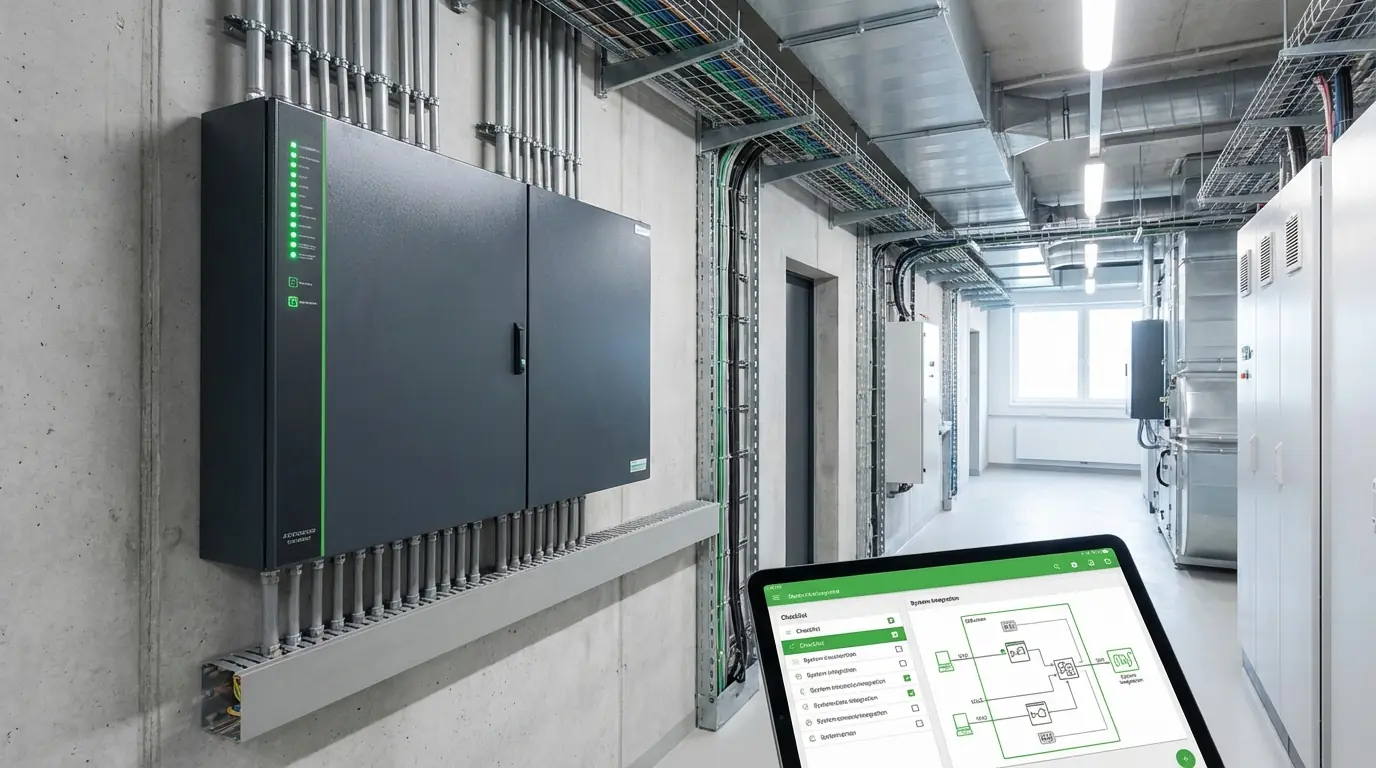
7 Steps and Minimum Scope to Consider When Automating a Building
2 September 2020 by Carlos Dobobuto
Introduction
Building technology is making its presence felt across our region — in design, construction, and operations alike. Relying on people to perform functions that can be automated no longer makes sense: checking a water tank level, reading a tenant's energy consumption, switching on lighting, or adjusting a space's setpoint temperature are all tasks machines handle more reliably and consistently than people can.
Automation addresses a wide range of operational needs, and there are cases where leaving it out of a project would be genuinely difficult to justify. Whatever the scope of the management system a building owner or project manager wants to implement, understanding the natural stages of a successful deployment isn't optional — it's foundational.
The 7 Steps
1. Project Direction
Early in the project, evaluate the intended operating model for the facility under design or construction. This gives every discipline lead clear guidance on instrumentation requirements, communication modules, and the scope each designer and vendor must cover.
2. Management Network Design
Once each discipline has completed its design, the integrated management network designer can build a project grounded in the actual conditions on site. This phase defines the conduit runs to be installed, the panel and sensor locations, and the minimum specifications for instrumentation and controllers.
3. Detailed Engineering
This stage closes out the remaining specifics: cable installation, equipment operating sequences, hardware and software programming requirements, graphical interface design for user dashboards, and the definition of acceptance tests — both at the vendor's workshop and in the field.
4. Conduit Installation and Civil Works
This phase can begin as soon as the design stage wraps up. It covers the installation of conduit runs, cable trays, junction boxes, and the physical spaces where both control equipment and the other integrated systems will be housed.
5. Equipment Programming
Starting after detailed engineering is complete, this stage covers the programming of all hardware devices, sensor calibration, configuration of the visualization software, and its integration with the graphical management interface.
6. Installation and Commissioning
Once the building has been fitted out with its respective systems, field installation of the BMS equipment begins. This work typically starts when the other trades have finished, though schedule pressures may require running in parallel.
Field testing deserves particular attention. Tests must reflect the real operational needs of the building. Equally important is training the operations team — staff should receive hands-on instruction alongside an operations manual that gives them the skills to get full value from the system.
7. Operations and Maintenance
After installation and commissioning, the BMS vendor and individual system specialists tune the control variables for each solution and function until the efficiency targets defined in the original design are reached.
Over time, the operations and maintenance director must continually review the data the system generates, requesting or making adjustments to control variables to sustain operational efficiency.
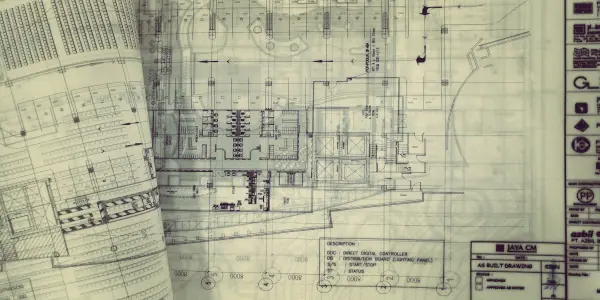 Overview of an integrated building management system.
Minimum Scope
A common question from owners, developers, and contractors is: what is the minimum scope a building management system should cover? The following outlines the baseline recommended for common areas.
1. HVAC Control or Integration
Where the HVAC vendor supplies its own controls and integration is the only requirement, the minimum read/write signals to integrate are the setpoint temperature for each unit and the ON/OFF control for each indoor unit. Ideally, integration also covers real-space temperature monitoring, filter status notifications, and system alarms — whether the plant is chilled water or direct expansion.
2. Forced-Ventilation Control and Monitoring (Basement/Parking)
The minimum signals here are ON/OFF control and status feedback for each individual fan.
3. Pumping System Monitoring
Sanitary systems typically include their own electromechanical or electronic controls, so BMS scope here is monitoring only: tank, cistern, and sump water levels; individual pump status; and the status of each water supply source feeding the system.
4. Energy Metering and Generator Integration
On the energy side, measuring active power and energy consumption is essential; adding power factor monitoring delivers significant value — it enables accurate billing per tenant or zone and reveals load behavior patterns. For the backup power system, key parameters include machine status, fuel level, oil condition, and battery charge.
5. Lighting Control
The baseline here is ON/OFF control of lighting circuits based on schedules and remote command. Dimming based on occupancy detection and daylight measurement adds meaningful energy savings on top of that foundation.
6. Fire Detection and Alarm System Integration
These systems come with their own automation and user interfaces, but their components are frequently not operating correctly — and facility managers are often unaware of the failures. Integrating intelligent fire detection systems into the single supervisory platform is critical: it surfaces communication and operational faults anywhere in the building before they become serious problems.
7. Building Management Software
The supervisory and control platform is only as useful as the software that runs it. For every managed system, the platform must provide monitoring of each controlled element, configuration of control strategy variables, and historical performance reports for every managed device over time.
The minimum scope outlined here will naturally vary based on the specific characteristics of each project and any local or international certification standards being pursued. Because building management is an engineering discipline, every scope definition requires rigorous, detailed analysis.
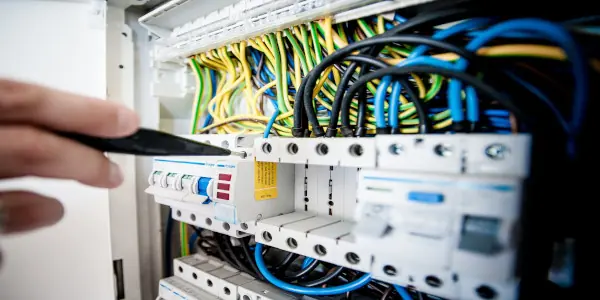 Supervisory control panel of an integrated building management system.
Closing Thoughts
It's understandable that the average developer or contractor approaches building technology solutions with some hesitation. But consider how dramatically technology has already reshaped the way we work and live — from the smartphone becoming an indispensable daily tool to video conferencing becoming the default for professional meetings. Before the pandemic, many of us insisted that every business meeting had to happen in person. Now we don't think twice about it.
Building automation is on the same trajectory. The question is no longer whether to include it, but how to implement it well.
Carlos Dobobuto Commercial Director, INNOTICA cdbobuto@innotica.net · LinkedIn