
Developing Renewable Energy Sources in Venezuela
28 November 2016 by Lisgrett Bellorin
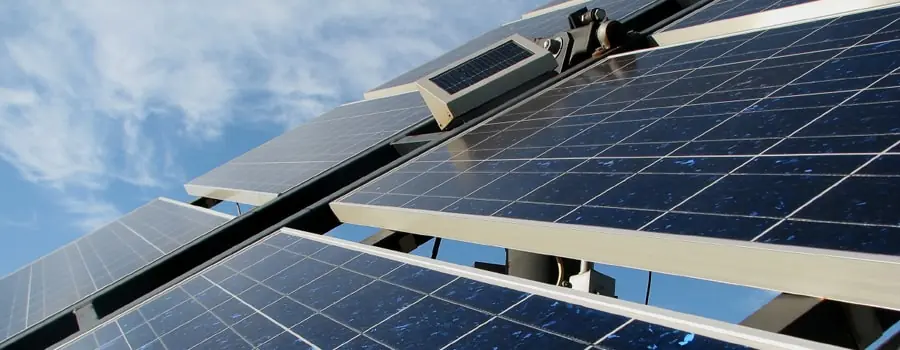
Renewable resources can be used continuously and permanently to produce energy — by nature, they are effectively infinite and inexhaustible. Renewable energy sources draw on these resources, originating in natural processes and replenishing faster than they are consumed. Solar, hydroelectric, and biomass power are among the most prominent examples.
In Venezuela, renewable energy technologies have established a foothold across political, legal, and commercial frameworks alike. What is still missing is rational, targeted investment that supports research and development — the kind that genuinely avoids wasting resources rather than simply redirecting them.
A Legacy Energy Model
The country's energy mix is built on hydroelectric projects and thermoelectric plants that run on fossil fuel combustion. That structure leaves Venezuela with limited experience implementing alternative projects centered on renewables.
The most visible actions taken to promote renewable energy have focused on wind generation. Even so, that sector remains far behind the scale and relevance it has reached in other countries.
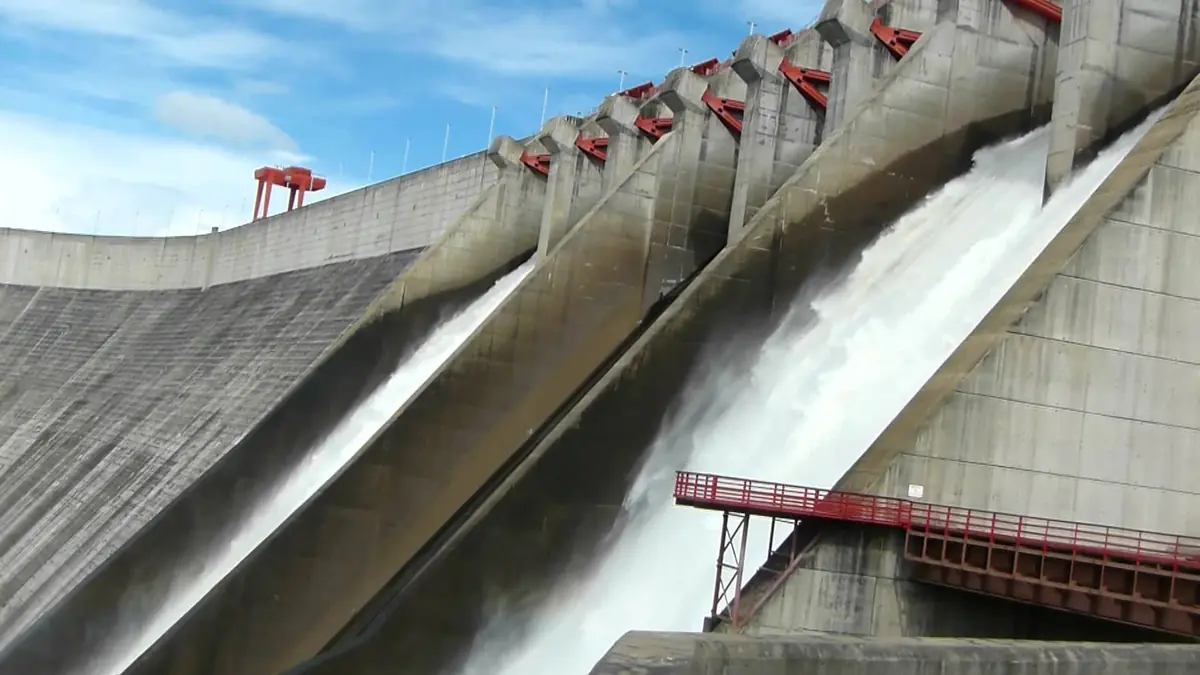 Renewable energy infrastructure in Venezuela.
Venezuela is in the middle of an energy crisis and faces the challenge of redesigning its energy model — making it less vulnerable to droughts without resorting to sources that drive greenhouse gas emissions. That means carving out meaningful space for renewables within the national electricity system.
Despite the existence of a national fund intended to accelerate projects that ease the generation collapse, most proposals on the table are fossil-fuel thermoelectric plants or new hydroelectric dams. Renewable energy sources have yet to receive the priority they deserve, particularly given prolonged drought cycles and the mounting pressure of fossil fuel combustion on global warming.
The Case for Diversification
A deeper energy transition is necessary — one that pursues renewable sources capable of complementing and gradually replacing both climate-dependent generation and polluting technologies.
Few have seriously considered the full range of options available. Beyond solar, wind, and conventional hydroelectric, wave energy projects are being developed around the world today, and Venezuela is well positioned to pursue them. The country has roughly 4,000 km of coastline with varied wave patterns. Studies of Venezuela's wave energy potential identify the Aragua coast as having the highest aptitude for this type of generation.
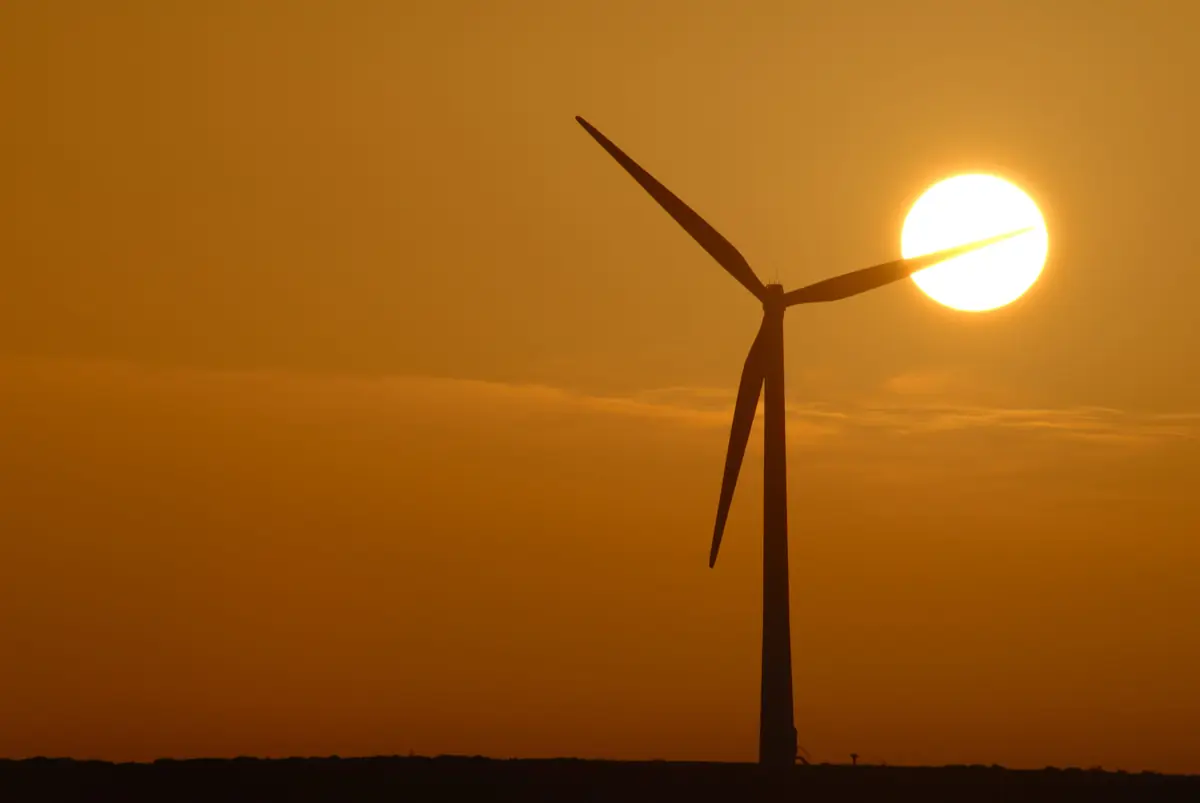 Venezuela's renewable energy potential remains largely untapped.
For wind energy, the most promising zones include the Gulf of Venezuela, the Paraguaná Peninsula, much of Anzoátegui state, and the western regions of the country — essentially the full length of the Venezuelan coast.
Breaking Free from the Oil Mindset
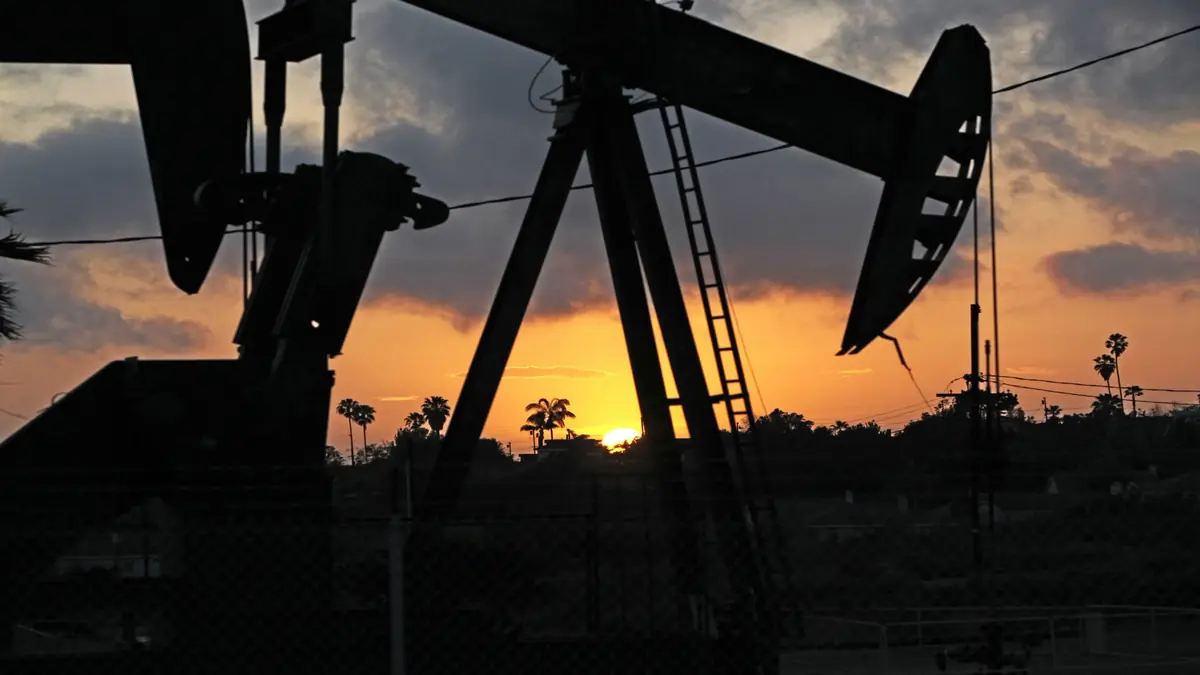
Despite all of this potential, many within the country remain anchored to a vision of 2 to 3 million barrels of oil per day, operating under the assumption that petroleum is what generates national wealth. Renewables continue to be sidelined as an alternative — and as a genuine path to long-term energy development.
 Venezuela's coastline holds significant potential for both wave and wind energy generation.
The window for a meaningful transition is open. The question is whether the investment, policy will, and engineering ambition can align before the crisis deepens further.