
LEED Certification: Practical Tips to Get Started
30 May 2017 by Maria Paolini
The first step toward LEED certification is understanding why it makes sense for your project.
For many stakeholders, the answer comes down to long-term economics — particularly reducing operational costs. But what about markets like Venezuela, where utility rates offer so little financial incentive that cutting consumption barely registers on a developer's radar?
Despite what many real estate developers and construction professionals assume — that LEED is an expensive add-on with marginal value — experience shows otherwise. Pursuing LEED certification does not necessarily drive up construction budgets, especially when sustainability criteria are integrated from the earliest stages of design.
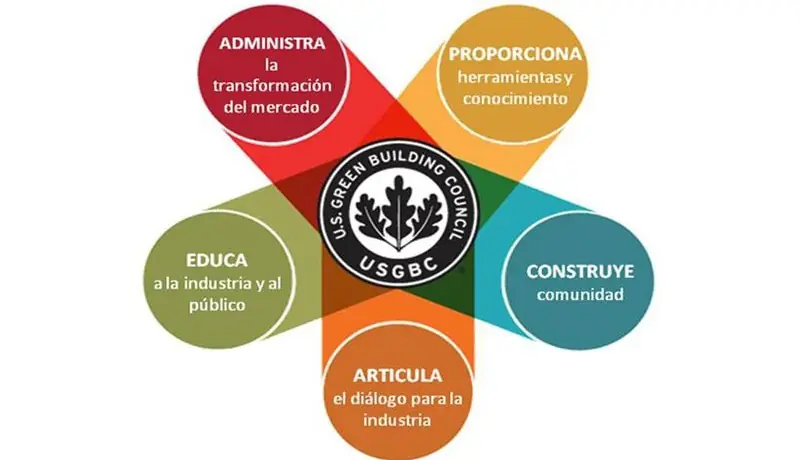 LEED certification applied to a construction project.
Aligning the Team Around a Single Standard
Another compelling reason to pursue LEED certification — particularly in markets with fragmented design and construction practices — is that it unifies the entire project under one coherent framework that protects the client's interests.
Without a common reference, a building's outcome depends heavily on individual preferences of designers, contractors, and suppliers. With LEED as the guiding standard, every team member works toward the same goal. That alignment benefits the client directly.
Factor in that the project will be reviewed by an independent body, and that its rating serves as a verifiable endorsement: think of your building as a brand product. In a competitive market, an internationally recognized certification is one of the clearest ways to differentiate.
Consider also how that product ages. How will it perform over 10 to 20 years? What does its condition communicate about your brand over time? LEED can help answer those questions by anchoring the project in long-term sustainability.
Finding an Accredited Advisor
Once you have a clear sense of why LEED is the right path, the next step is learning the foundational requirements — and finding an accredited, experienced advisor to guide you through the entire process.
Applying for LEED certification is not unlike sitting an international professional exam. You need the right preparation to pass.
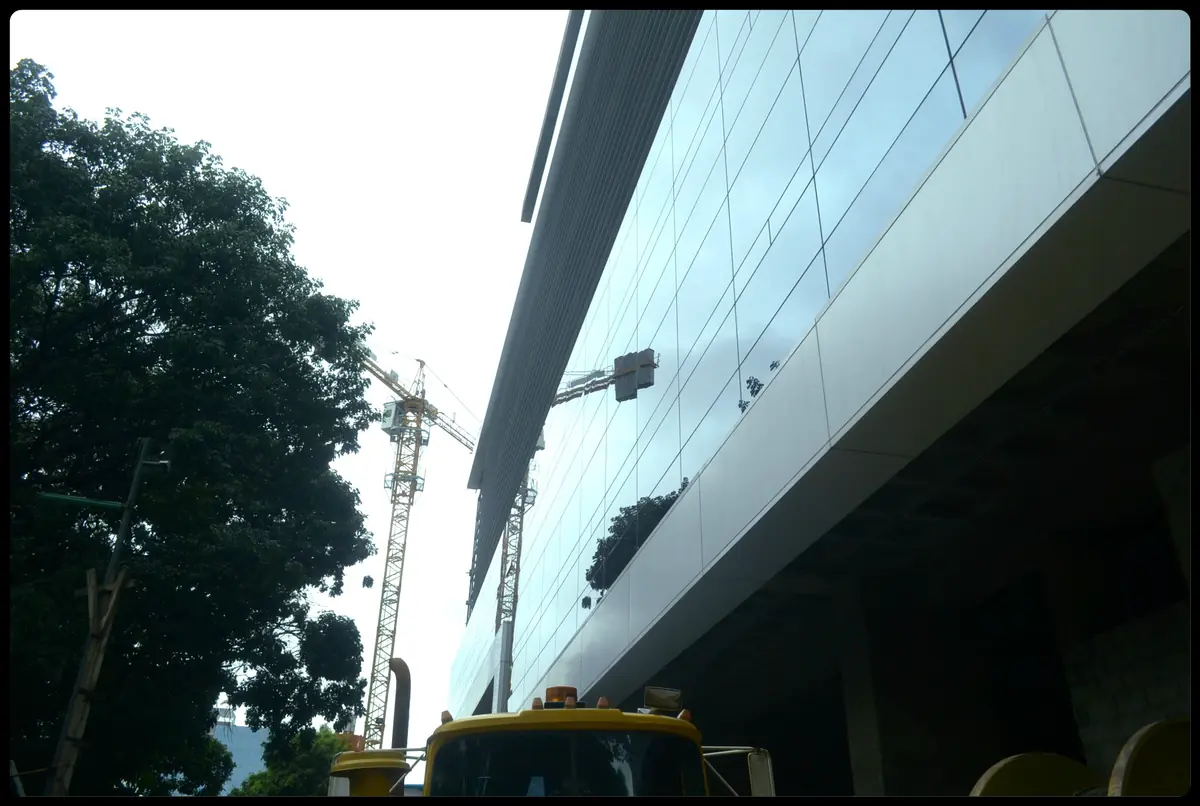 Teamwork is critical throughout the certification process.
Building a Culture of Sustainability
With motivation and technical support in place, the next move is to drive change within your team. Get everyone involved and treat the process as a learning opportunity for all.
As a consultancy, we prioritize training for construction professionals and related disciplines. We know firsthand that a lack of information breeds resistance — so we focus on turning skeptics into advocates for sustainable practice.
Setting Goals and Staying Committed
One of the most important tips for LEED certification is this: set your targets early and hold to them across the full project lifecycle, through both design and construction phases. Every member of the team needs a clear picture of where the project is heading and why.
To keep that commitment alive, keep the following benefits front of mind:
- Avoids over-engineering mechanical and electrical systems, which translates directly into lower capital costs.
- Establishes clear procedures and quality controls during construction, reducing improvisation and poor practice — which also protects the budget.
- Automation and monitoring systems simplify maintenance tasks and help anticipate failures, ensuring better performance across the building's service life and contributing to lower operational costs.
- Efficient fixtures and equipment reduce water and energy consumption, which improves the performance of backup systems — water storage tanks and emergency generators — when public supply is unreliable. And when utility rates eventually rise to realistic levels, those efficiency gains will drive further operational savings.
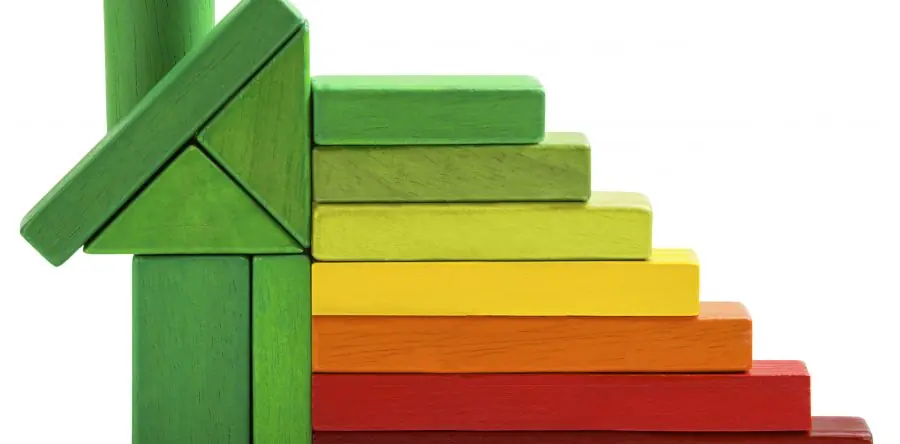 Selecting efficient materials is an integral part of achieving LEED certification.
- Specifying materials and plantings with low maintenance requirements — minimal cleaning, replacement, and irrigation — reduces ongoing operational costs.
- Recognition from an international body creates a positive image for the project, attracting potential buyers and carrying particular weight with foreign investors.
- Finally, building sustainably means your building ages well. It is a product that represents your brand: think about your company's trajectory and the value of staying ahead of the market — especially in difficult times. Particularly in difficult times.