

PMO: The Challenge of Project Tracking
18 March 2020 by Maria Teresa Rodriguez
Delivering a project successfully — on time and within scope — depends entirely on how well it is tracked. Without rigorous follow-through, even the best-planned project can drift.
Every project has a defined start and finish, and each one delivers a unique, differentiated result. That means studying a specific process each time: mapping activities, sequencing them, identifying required resources, setting timelines, and estimating total costs.
The Main Challenges of Project Tracking
Tracking a project is harder than it sounds. Timelines, cost, scope, and people consistently generate the most friction. The most common challenges include:
- Scope creep: Start with a clear baseline definition of scope, and establish a formal process for requesting and managing changes.
- Teamwork and people management: Beyond methodologies and processes, projects are executed by people. That requires developing the interpersonal skills needed to work effectively with every stakeholder involved.
- Resource problems: Two distinct issues arise here — insufficient resources and skills gaps in the assigned team. Both can be mitigated by defining project needs precisely during the planning phase: how many people, with what capabilities.
- Owning accountability: Project managers carry responsibility for the entire project, even though most tasks are executed by others. Accepting that accountability — and acting on it — is one of the hardest parts of the role.
- Effective communication: Communicating well is a persistent challenge, especially across distributed teams or multi-stakeholder environments. It helps to establish a formal communication process for official matters and adopt a dedicated collaboration or team management tool. Crucially, communication in project management is two-way: it's not just about telling the team what to do, but about receiving accurate, up-to-date status from them.
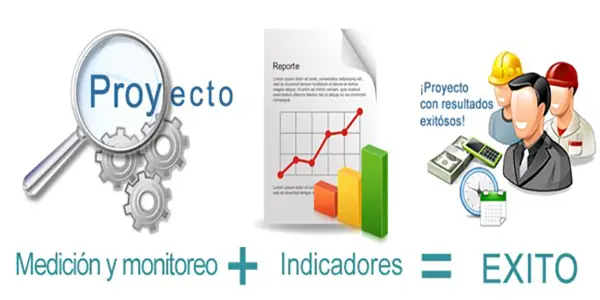 Project management and tracking within a PMO.
What a PMO Brings to the Table
Building the culture and management systems required for project-driven organizations demands a different kind of structure — dedicated people, purpose-built reporting lines, and the right information systems.
Today, many companies establish a Project Management Office (PMO) within their structure, led by a Project Director. A PMO adds value across every part of a project. It provides an effective communication channel — for both the delivery team and the client — ensuring the project stays on budget and on schedule.
The Project Director, through monitoring and control processes, measures project performance to detect deviations from the project management plan. They also evaluate change requests and recommend preventive actions before issues escalate.
By continuously tracking both current and upcoming activities, the Project Director maintains a clear picture of the project's overall health.
As the PMI (Project Management Institute) notes in its white paper "The Project Management Office – In Sync with Strategy", a PMO is expected to deliver more than governance frameworks and methodology compliance. Its function should produce clear, measurable, and repeatable long-term benefits — and communicate those benefits effectively so that the value is visible across the entire organization and earns executive support.
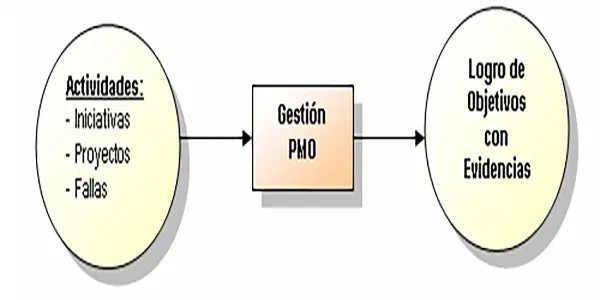 A PMO must be fully aligned with corporate strategy.
Alignment, Credibility, and Fit
For a PMO to work, it must be fully aligned with corporate strategy. Among other things, that means there is no universal PMO structure that works for every organization. Each company — based on its objectives, culture, and people — must decide which PMO model fits best.
The people staffing the PMO need the right profile, training, and organizational recognition. They should be the go-to reference for project management practice and carry genuine credibility with their peers.
Being technically competent isn't enough on its own. The broader organization must see the PMO as a genuine asset, not an overhead cost. The PMO also serves as a change agent for organizational transformation — and that means playing a central role as communicator and bridge between departments.
For further reading, the PMI website offers valuable resources on strengthening the PMO function and aligning it with business strategy.
"Being a project manager is like being an artist — you have the flow of different-colored processes combining into a work of art." — Greg Cimmarrusti
Engineer María Rodríguez — mrodriguez@innotica.net
References
- PMO ¿Por qué y cómo? Reflexiones acerca de la puesta en marcha de un PMO — José Enrique González Cornejo
- Principales desafíos en gestión de proyectos — Albert Garriga