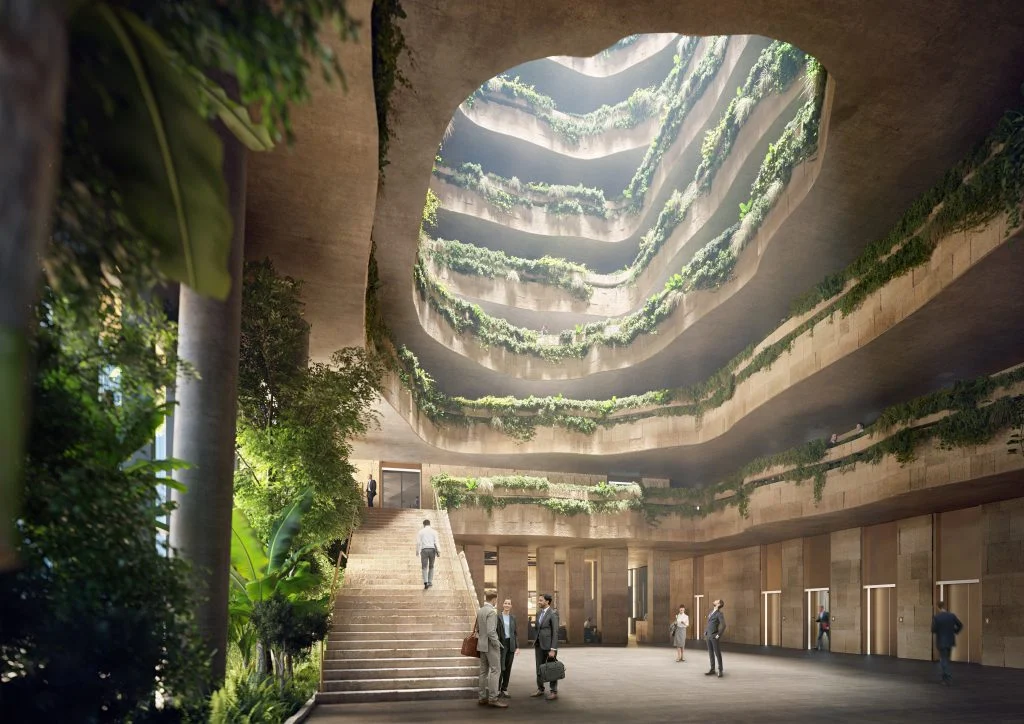
ustainable Infrastructure Strategy DDMIF 2030.
Development of the strategy and work plans to transform CAF's real estate assets into a model of environmental, social, and governance excellence at a regional level.
Institutional sustainability challenges
The main challenge for CAF's Board of Physical Infrastructure Development and Maintenance (DDMIF) was to align its real estate assets with global sustainability frameworks, such as the Paris Agreement and the Sustainable Development Goals (SDGs). A critical need was identified to transition from a focus solely on operational carbon to a comprehensive full life-cycle carbon approach, structuring a Net Zero Emissions Roadmap with clear goals for 2030 and 2050.

Diagnosis and gap analysis
The diagnosis evaluated CAF's portfolio against Global Frameworks (Paris Agreement, SDGs, Declaration of Chaillot, and WorldGBC). Although success in operational eco-efficiency and obtaining LEED certifications in new projects was evident, the analysis identified critical gaps in three dimensions:
Environmental: Contradiction between the projected real estate expansion and the climate goal due to the absence of measurement and management of Embodied Carbon.
Social: Lack of methodologies to evaluate community impact (Scope 2) and absence of an ethical due diligence process in the materials supply chain (Scope 3).
Governance: Financial feasibility models (IRR, CAPEX) that did not internalize the cost of carbon or physical climate risk in the "Renovate vs. Build" decision.
The DDMIF 2030 Strategy
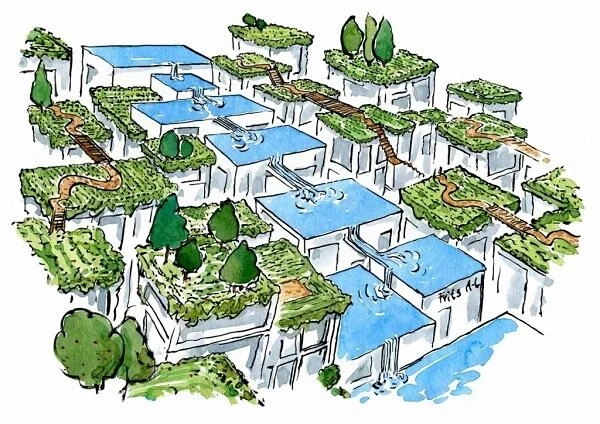
To bridge these gaps, Innotica developed the Sustainable Infrastructure Strategy 2030, which covers the complete life cycle of owned and leased headquarters in Latin America and the Caribbean. This strategy is articulated around four fundamental pillars: 1) Full life-cycle decarbonization and circularity, 2) Climate resilience and ecosystem regeneration, 3) Human well-being and positive social impact, and 4) Governance, transparency, and sustainable finance.
Implementation through Work Plans
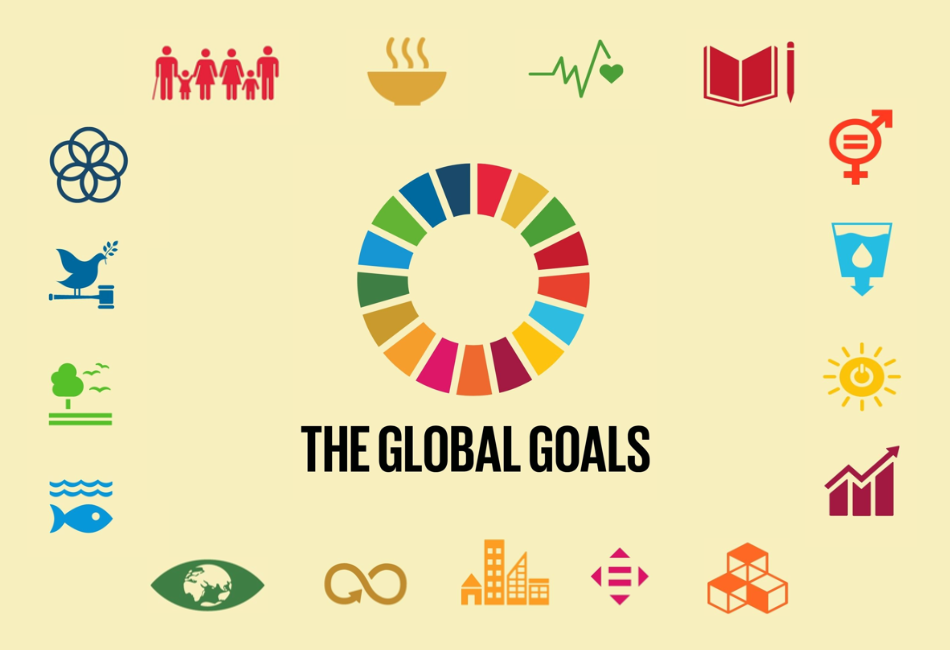
The materialization of the strategy was structured through twelve operational Work Plans divided into short, medium, and long-term horizons (2026-2030). These plans cover concrete technical and governance actions, such as ASHRAE energy audits, implementation of standards to achieve "Nearly Zero Carbon" buildings, deep modernization of HVAC systems, adoption of Life Cycle Cost Analysis (LCCA) in capital decisions, and comprehensive sustainability training for the entire value chain.
Regional leadership and 2050 goals
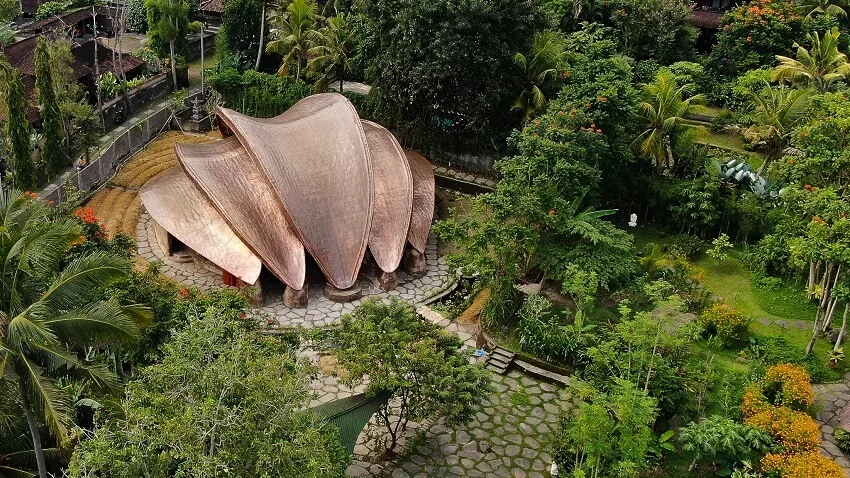
The implementation of this master plan will position CAF as the main benchmark among multilateral development banks in the design of sustainable and inclusive infrastructures. With rigorous goals such as certifying 100% of new projects under LEED standards by 2030 and achieving net zero emissions across its entire portfolio by 2050, the corporation's physical assets will act as true catalysts for ecological transition and urban well-being in the region.