
Corporate Digitalization and Sustainability Management.
Development and implementation of a custom in-house software ecosystem to standardize data capture and unify operational and energy monitoring at a corporate level.
The desire to digitalize operations and maintenance
Company main corporate challenge was to overcome the hurdles of traditional operational management, characterized by a reliance on physical spreadsheets, untraceable communication, and a lack of consolidated, real-time metrics. There was a critical need to eliminate departmental information islands and standardize the capture of sustainability and operational data nationwide to make timely decisions based on real data.

In-house development and Service Proposal
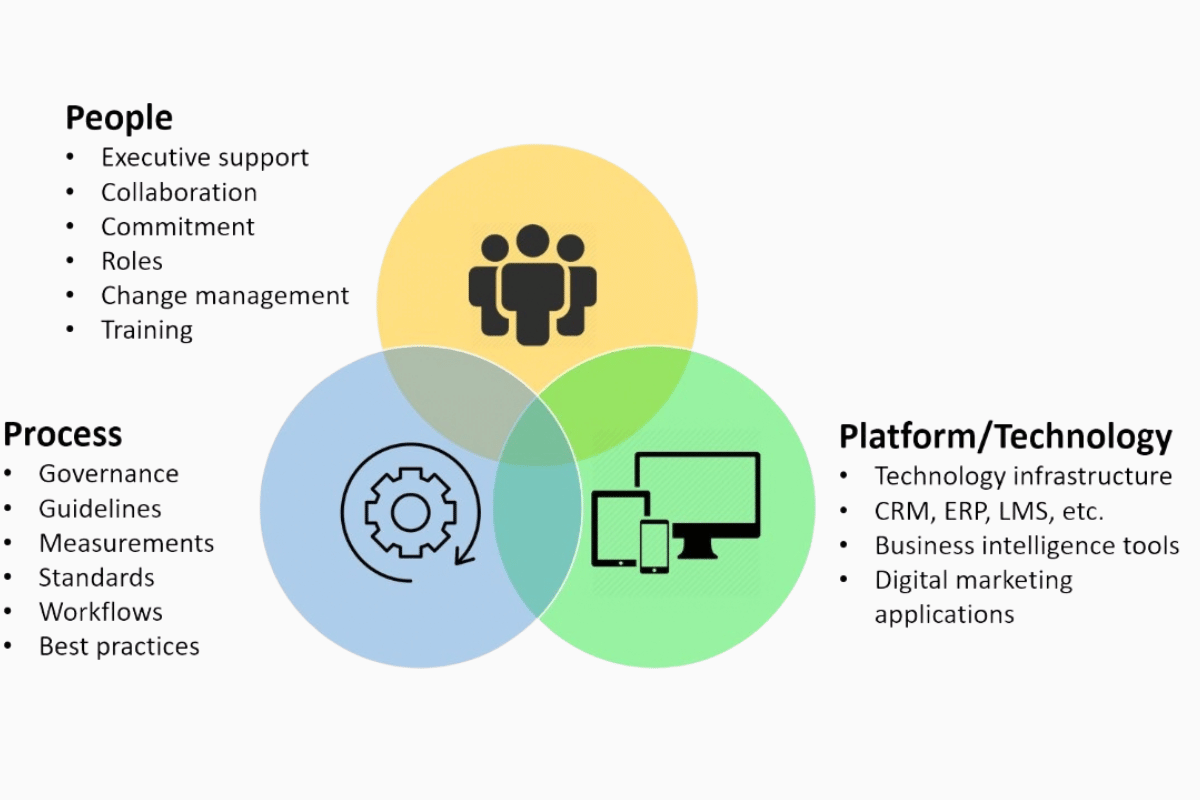
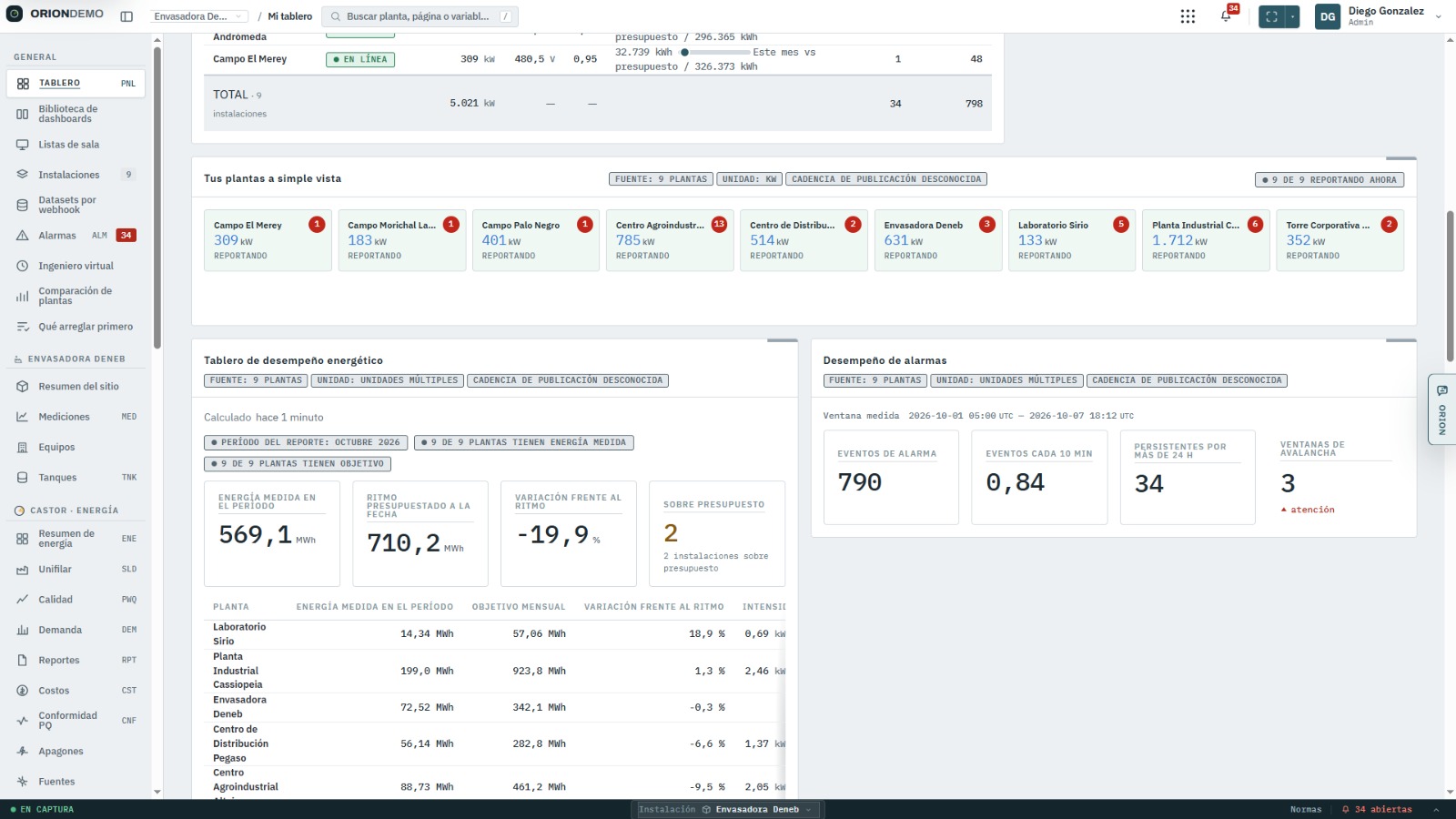
To address this complexity, Innotica developed and implemented a comprehensive in-house software ecosystem under an exclusive licensing scheme. In the first stage, a tool was deployed to digitalize and standardize the capture of non-automated data from the source using dynamic cloud-based forms. Subsequently, a higher-level platform was structured to consolidate this information, correlate variables, and offer 24/7 unified monitoring of multiple operational sites in a single interface.
Easiest operations with Artificial Intelligence
The solution transformed the way personnel interact with the infrastructure. Through this centralized system, Artificial Intelligence-based tools were integrated to continuously monitor the plants, detect anomalies predictively, and issue multi-channel alerts. This technology allows managers to interactively query consumption status, costs, and power quality, receiving immediate responses supported by real-time data analysis.
Project achievements and corporate impact
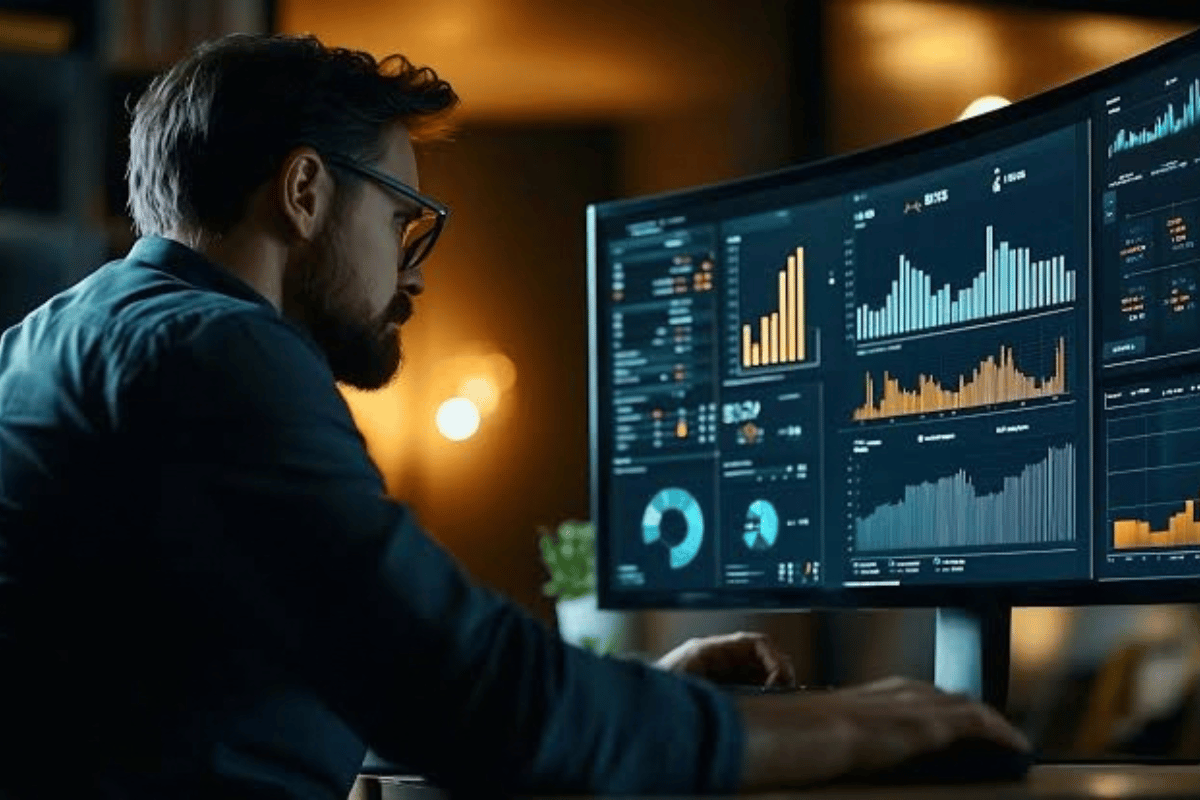
The implementation of this digital ecosystem achieved the centralization of Quality and Operations records, guaranteeing traceability and strict confidentiality of corporate information. Operational costs were significantly reduced by optimizing staff time, decreasing paper usage, and minimizing the need for on-site inspections. Furthermore, the ability to export automated data to Business Intelligence platforms bridged the gap between operational data capture on the plant floor and executive-level strategic management.