
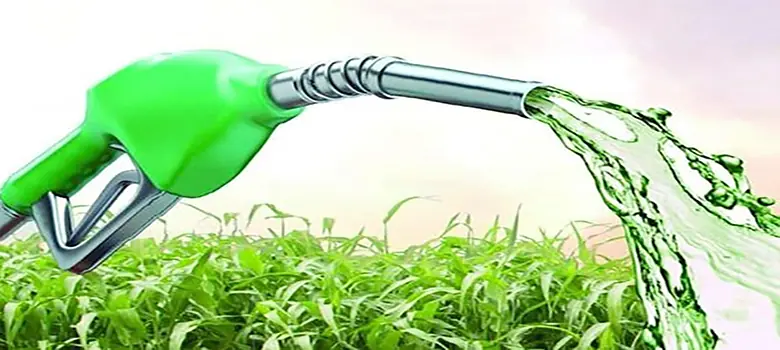
The Ethics Behind Biofuels
1 April 2020 by José Solano
Introduction
In the early 2010s, PDVSA Agrícola developed major projects for sugarcane-based ethanol production through what were known as Complejos Agroindustriales de Derivados de la Caña de Azúcar (CADCA) — agro-industrial complexes located in Venezuela's western plains [1]. The initiative promised a dual benefit: reducing greenhouse gas (GHG) emissions from internal combustion engines while increasing gasoline export revenues.
Today, poverty and hunger in Venezuela are at alarming levels. In its Early Warning Early Action Report on Food Security and Agriculture (April–June 2019) [2], the FAO ranked Venezuela among the ten countries worldwide at "high risk" of a food security emergency or significant deterioration of the existing situation.
Against this backdrop, the analysis that follows examines the ethical dimensions of biofuel production in Venezuela, viewed through the lens of the applicable Sustainable Development Goals (SDGs).
Background
Brazil has produced biofuels since 1975, backed by regulations and incentives covering mandatory ethanol/gasoline blends (gasohol E10), hydrated ethanol (E100), and biodiesel. Its success rested on solid regulatory frameworks, agroindustrial sector engagement, and sustained investment in equipment and technology — all underpinned by coherent, long-term state policy [3].
In 2015, the United Nations adopted its Agenda 2030. Within that framework, biofuels are embedded in SDG 7, "Affordable and Clean Energy" — specifically target 7.2: "…substantially increase the share of renewable energy in the global energy mix" [4].
Later that same year, the 21st Conference of the Parties (COP21) was held at the Paris Climate Summit, producing the Paris Agreement. Its central commitment was to keep the rise in mean global temperature below 2 °C above pre-industrial levels by 2030, through a significant reduction in GHG emissions.
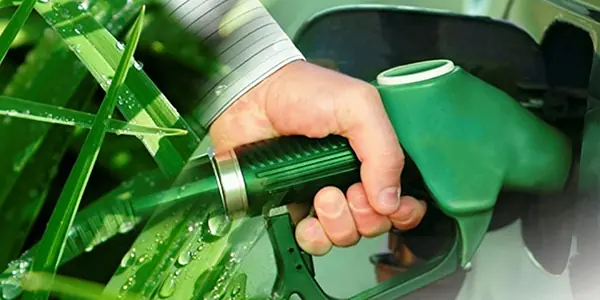 Ethanol production from sugarcane — one of the most established first-generation biofuels.
Biofuels
Biofuels fall into two broad categories: bioethanol and biodiesel. Bioethanol is a distillate produced through the fermentation of plant sugars. First-generation bioethanol comes from sugarcane, corn, soybeans, cassava, and sugar beet; second-generation bioethanol is derived from lignocellulosic processing of bagasse, grasses, and wood [5].
Biodiesel follows a similar generational split. First-generation biodiesel is produced through the transesterification of vegetable oils from crops such as sunflower, soybean, African palm, rapeseed, or jatropha. Second-generation biodiesel comes from wood or straw (lignocellulose) [5]. A third generation also exists, derived from the processing of algae [6].
Under current conditions, Venezuela's fuel demand stands at 225,000 barrels per day (BPD) of gasoline [7]. Meeting that demand through an ethanol blend would require approximately 1.3 billion liters of ethanol per year — which translates to roughly 250,000 hectares of cultivated land.
Abarca and Bernabé [8] report that around 1.4 million hectares are available in the country for this type of crop. However, deploying that land for biofuel production could displace other agricultural food production.
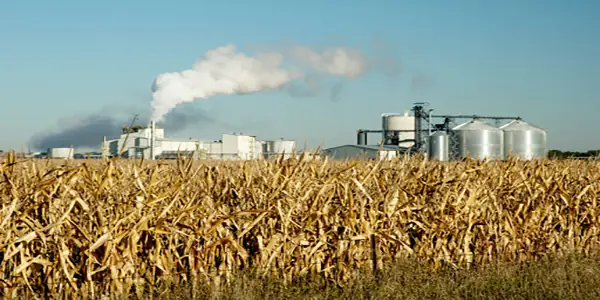 Allocating arable land to biofuels creates direct tension with food production.
Analysis
Bioethics — defined by Potter [9] as the ethics applied to bridging biological knowledge with human value systems — must be present in all research and technological development, including initiatives framed as advancing sustainable development.
For biofuel production specifically, the principles of Precaution (reducing uncertainty and risk to prevent harm to third parties and the environment) and Responsibility (compliance with applicable standards to prevent environmental degradation) must take precedence.
The principle of Solidarity is equally critical from a social standpoint. Technological development to improve crop yields must serve food production broadly, not just biofuel feedstocks — particularly given the country's severe food deficit.
The principles of Beneficence (do good) and Non-Maleficence (do no harm) apply directly: biofuel programs must not compromise the availability of arable land or irrigation water, nor crowd out food crops. The principle of Justice demands equitable access to transport fuels for all people, regardless of income.
There is also a direct link between ethics and nutrition. Hunger is both a violation of human dignity and a barrier to social development and economic progress.
The state, therefore, has a moral obligation to implement food and nutrition policies that guarantee the availability, access, distribution, and utilization of food — responding to consumers' actual needs [10] — in alignment with SDG 2, "Zero Hunger."
Conclusions
The ethical debate over using arable land for biofuel production instead of food production remains very much alive. As of this writing, ethanol production has not materialized in Venezuela. Doing so would require a substantial land area for sugarcane cultivation, tight coordination with institutions and producers, management of large volumes of effluent and waste, and the removal of structural barriers — not least the entrenched gasoline subsidy.
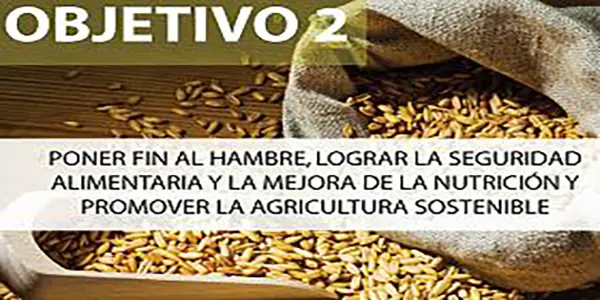 Balancing energy production with food security sits at the heart of the ethical debate.
Despite international GHG reduction commitments aimed at mitigating climate change, and given Venezuela's current conditions of poverty, hunger, and food insecurity, the conclusion is clear: investing in large-scale land-intensive biofuel production at this moment is neither ethical nor morally defensible.
What is needed instead is the implementation of agri-food policies that improve living conditions in rural areas and promote sustainable agriculture — alongside investment in biotechnological development — so that genuine food security can be achieved.
By: José Solano, Engineer jasolanop@gmail.com LinkedIn: @jasolanop IG: @jasolanop_ds19
References
- Ambioconsult, C.A. (2014). Lineamientos del Plan Maestro de la Gerencia de Proyectos Agrícolas para el Desarrollo Integral de las Áreas Propias del Proyecto PDVSA Agrícola.
- FAO (2019). Early Warning Early Action report on food security and agriculture (April–June 2019). Rome, 60 pp.
- Organización Latinoamericana de Energía (2007). Biocombustibles en América Latina y El Caribe.
- United Nations (2018). The 2030 Agenda and the Sustainable Development Goals: An opportunity for Latin America and the Caribbean (LC/G.2681-P/Rev.3). Santiago, Chile.
- Dufey, A. (2006). Biofuels production, trade and sustainable development: emerging issues. International Institute for Environment and Development (IIED). London, UK.
- Armenise, S. (2017). Los biocombustibles: una alternativa energética. El Nacional, September 18, 2017.
- García, A. (2019). Déficit de gasolina le cuesta al Estado $11 millones diarios en importaciones. Retrieved November 30, 2019, from: https://cronica.uno/deficit-de-gasolina-le-cuesta-al-estado-11-millones-diarios-en-importaciones
- Abarca, O. & Bernabé, M. (2011). Proyección de la demanda de tierras agrícolas en Venezuela, a partir del análisis de las necesidades alimentarias al año 2020. Agronomía Tropical, 60(3). Maracay, Venezuela.
- Potter, V. (1971). Bioethics: A Bridge to the Future. Prentice Hall Inc. Englewood Cliffs, New Jersey, USA.
- Serra, L., Ribas, L. & Ortiz, R. (2010). Políticas de Nutrición y Salud Pública: ¿Más ciencia o más política? In: Bioética y Nutrición. Alemany, M. & Bernabeu-Mestre, J., Eds. Alicante, Spain: Editorial Aguaclara, SL y Universidad de Alicante.