
LEED v4: What Changed from LEED 2009
15 August 2016 by Jonny Cabrera
Starting this October, all projects pursuing LEED certification must comply with the requirements established under LEED v4.
The update brings several meaningful changes worth understanding before your next project submission.
Two New Categories
LEED v4 adds two new categories to the rating system. The first reflects the growing importance of integrated design processes — specifically how early, cross-disciplinary collaboration shapes decision-making and a building's long-term performance.
The second category carves out credits that were previously folded into Sustainable Sites. It recognizes how the surrounding built environment directly influences occupant quality of life and vehicle-related greenhouse gas emissions.
Previously Optional Requirements Now Mandatory
A number of credits that were optional under LEED 2009 are now mandatory prerequisites — raising the bar for minimum compliance across the board.
In the Water and Energy categories, for example, metering is no longer a point-earning credit. It is now a prerequisite: projects must demonstrate, at minimum, the capacity to track both water and energy consumption continuously.
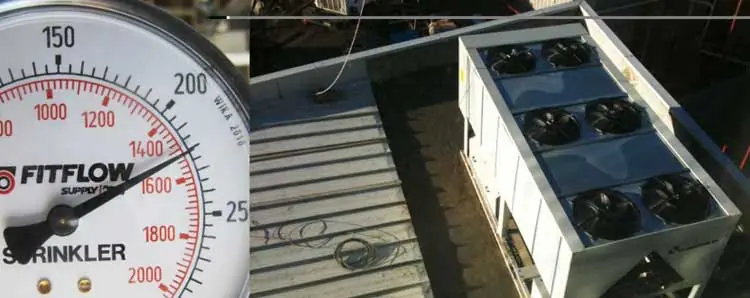 LEED-certified building: new prerequisites demand greater rigor in energy and water efficiency.
Beyond the new prerequisites, many existing ones have been tightened. That will challenge some projects — but it also creates a real opportunity to differentiate on sustainability performance and market competitiveness.
New Credits and Lifecycle Analysis
LEED v4 also introduces new credits that extend the certification's scope and reshape how projects are designed from the outset.
A central theme is lifecycle thinking. The new version places considerably more weight on materials — not just at the extraction, manufacturing, distribution, and installation stages, but also at end of life. Shared responsibility between suppliers and clients is explicitly part of that calculus.
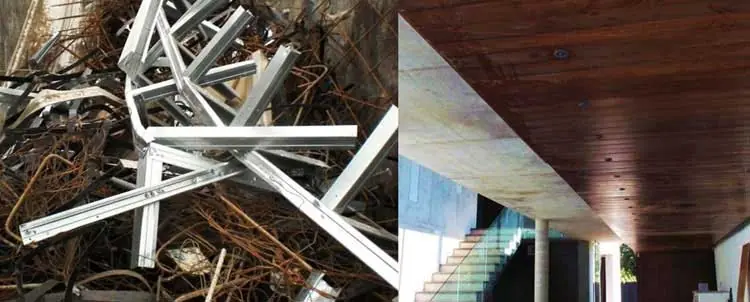 LEED v4 incorporates full material lifecycle analysis — from raw extraction through final disposal.
LEED and the Evolving Construction Industry
LEED's broader aim is to embed sustainable practice into mainstream construction — updating its requirements in step with a market that continues to mature. Investors are paying closer attention to long-term returns. Occupants are better informed and demanding higher-quality environments. Suppliers are responding with verified green products and services.
Together, these forces are pushing the industry toward a more rigorous, accountable baseline — and LEED v4 reflects exactly that.
For a detailed breakdown of all changes, see the official summary from the U.S. Green Building Council: LEED v4 — Summary of Changes.