
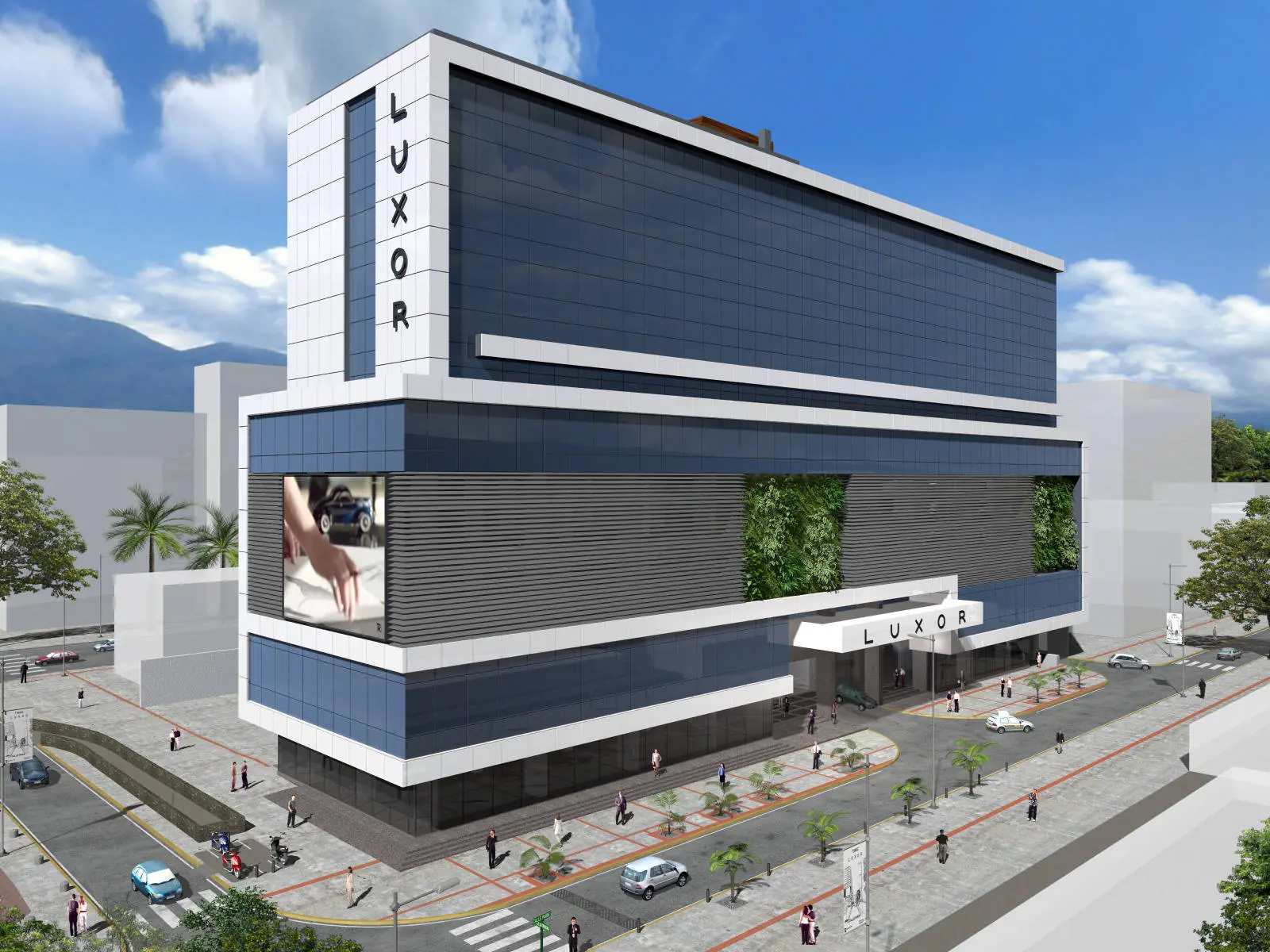
Smart, Efficient Buildings: A Necessary Reality for Venezuela's Real Estate Sector
3 September 2017 by Francismar Suárez
Despite what many assume, there is an active buyer's market. Even amid Venezuela's current economic conditions, the real estate sector has not stopped — new buildings continue to go up.
What is striking is that many of these projects are still conceived, from the design phase onward, without any provision for automated system control, preventive maintenance planning, energy efficiency, or long-term sustainability. The default is still conventional construction.
That default is no longer defensible. The digital transformation reshaping every other industry is equally capable of producing automated, intelligent spaces in the built environment — and the real estate sector cannot afford to ignore it.
The goal is to reach a higher technological layer of intelligence: one where a building knows its own consumption and operational patterns and actively interacts with its occupants.
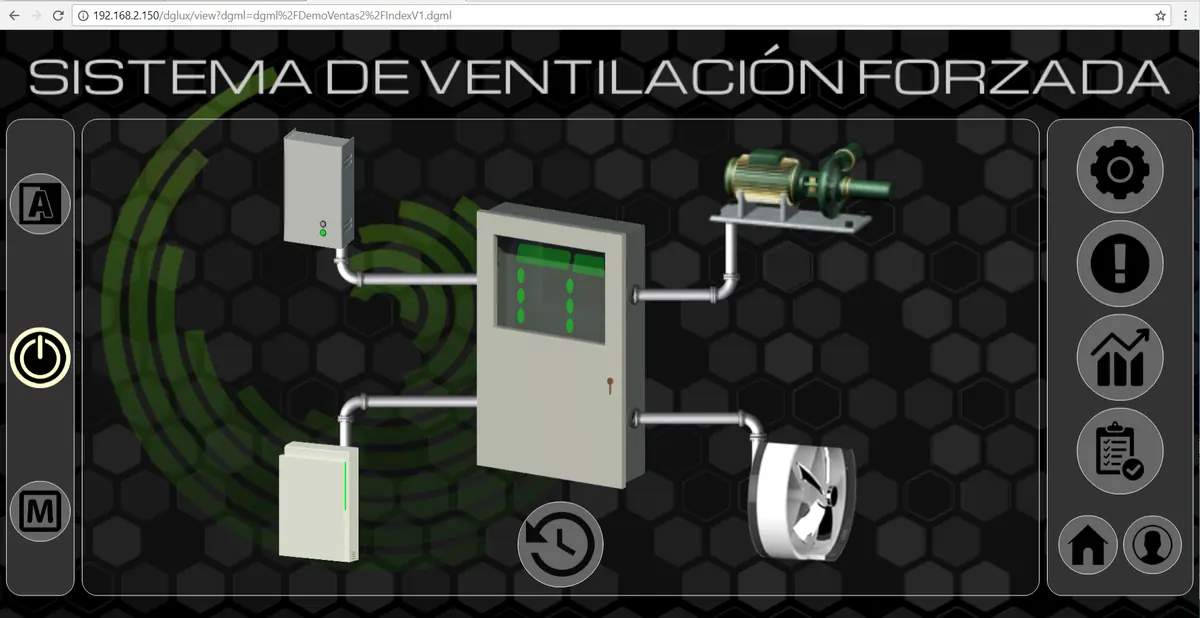 New developments in Venezuela with untapped potential for automation and energy-efficiency technology.
Buyer Expectations Must Shift
Because the traditional construction mindset persists, buyers need to raise their standards — and make those standards felt by developers. A conventional build, offering nothing beyond four walls and basic finishes, is increasingly difficult to justify in a competitive market.
The common objection from developers is cost. Integrating smart-building concepts does increase upfront construction costs, and that is precisely why the sector tends to discard them. What the sector has consistently failed to account for is that the return on that investment is not distant — it is immediate.
A concrete example: a LEED-certified building with a comprehensive automation and control network is, without question, a more attractive business and investment proposition — both domestically and to international capital.
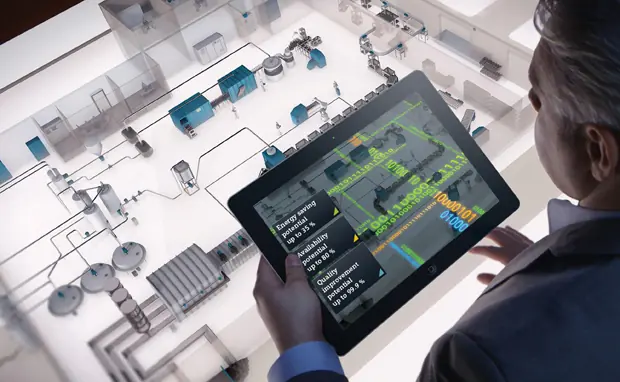 LEED certification combined with integrated automation represents a genuine investment differentiator.
Efficiency Starts at the Design Phase
When a building is conceived with an integrated vision from day one, the benefits compound across every stage: labor, materials, waste management, ongoing maintenance, and equipment failure risk all improve. Operational performance doesn't become a retrofit problem — it's designed in.
Incorporating diverse technological and ecological systems also deepens the collaboration between disciplines. Architects, engineers, systems integrators, and sustainability consultants working together from the outset is not a luxury — it represents the real estate sector's entry into a new era and a new source of economic value.
 Multidisciplinary collaboration is essential for integrating technology from the design phase.
The Work of Raising the Standard
These concepts — energy-efficient, integrated, secure, technology-driven, and above all sustainable construction — are no longer emerging ideas. They are the present.
Spreading and deepening awareness of them, in a context where they are still largely unfamiliar, is work worth doing. Educating the real estate sector and shifting how it thinks about automation, energy efficiency, and sustainability is a challenge — but one that can't be deferred. Venezuela doesn't have to fall behind on this front.