

The Case for Building Automation and Sustainable Construction
25 September 2017 by Jonny Cabrera
Most people's mental image of the near future features modern cities, ubiquitous technology, electric vehicles, and robotic assistants — hallmarks that once seemed like science fiction. The latest advances across multiple fields of technology suggest we are, in fact, heading exactly there.
 Modern cities integrating technology and sustainability.
Disciplines spanning science, environmental policy, technology, and legislation are coordinating on a global scale to move us toward that future. The urgency is real: staying on our current trajectory means compounding the problems we already face as a society, with no easy exit once a tipping point is crossed.
Alternatives exist. One is gaining momentum faster than any other: sustainability. It is the cornerstone of the smart city movement.
Sustainability means becoming more efficient — meeting needs while consuming fewer resources, generating what you consume (food, energy), and respecting the surrounding environment. It means keeping a model stable over time. Add communications technology and a meaningful social dimension, and you have the defining framework of the smart city.
Progress today is incremental. But with the right commitment, change follows.
Sustainable Buildings
One level below the city sits the building — residential, commercial, or recreational, without distinction. Buildings are the epicenters of daily life; the vast majority of our activities happen at home, in schools, or at work.
Making those buildings sustainable is no longer aspirational — it is achievable today. Certification frameworks exist to verify and score sustainable performance. LEED (www.usgbc.org/leed) is the most widely recognized globally, covering everything from energy use to materials and indoor environmental quality.
Meeting LEED requirements involves a range of criteria. Among the most consequential — and the one that opens the widest range of possibilities — is building automation.
The Role of Automation
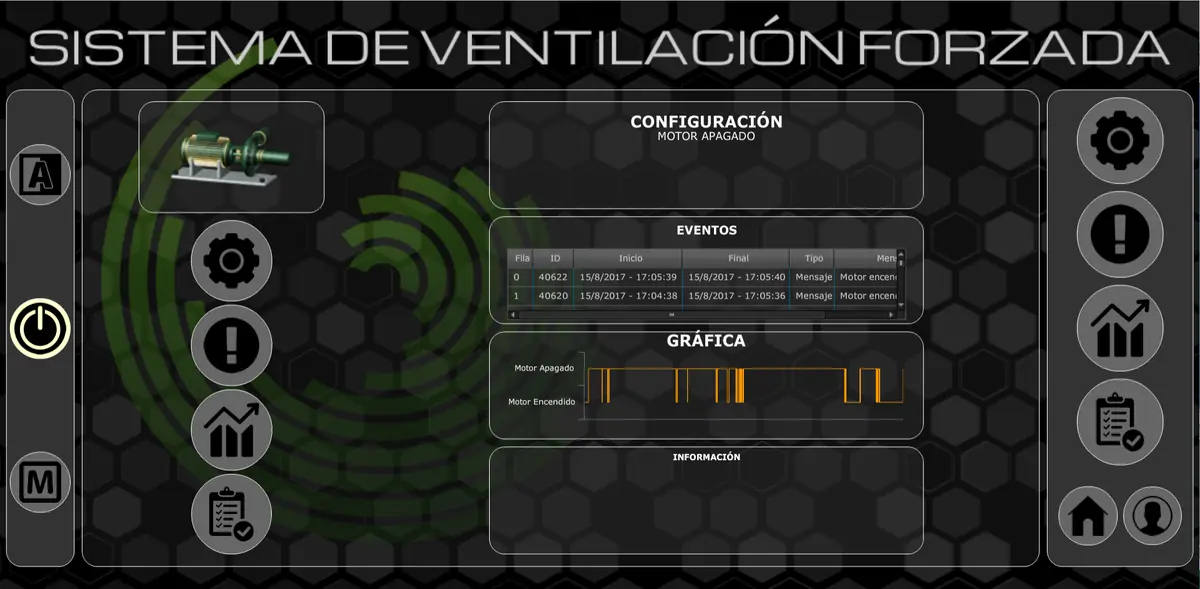 Automation enables monitoring and control of every building system.
Everything that can be measured can be controlled. Automation takes that principle down to the finest level of any system. Where direct control isn't possible, integration still allows teams to prioritize monitoring and preventive maintenance over reactive repairs — a shift that consistently reduces operating costs.
Deploying open protocols is a critical decision. Interoperability protects building owners and facility managers from vendor lock-in: they retain the freedom to choose service providers and avoid being trapped by proprietary equipment or restrictive maintenance contracts.
Toward a Truly Intelligent Building
The benefits described above define an automated building. That is a necessary first step — but only a first step. Most automated buildings today still depend on human judgment for key decisions.
The industry's next move is toward large-scale data collection and the application of Big Data analytics to feed expert systems capable of making decisions based on accumulated operational history and predefined scenarios. These systems must sit as an additional intelligence layer on top of the building management software (BMS) already deployed. Only then can a building genuinely claim to be smart.
The growth of IoT (Internet of Things) has accelerated both the volume of available data and the urgency to do something useful with it. Raw data alone means little. Properly organized and processed, it enables advanced analytics to extract meaningful patterns, drive autonomous decisions, and act directly on building systems — HVAC, lighting, access control, and beyond.
The Reality on the Ground
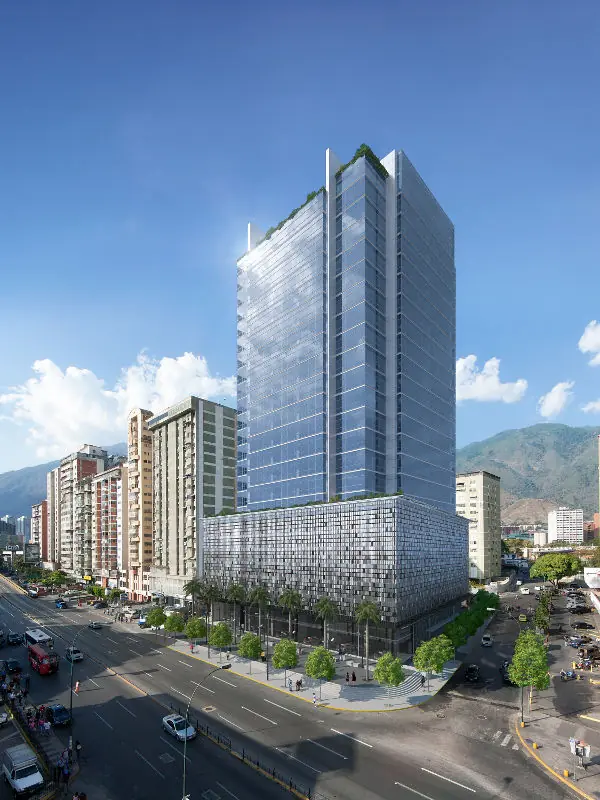 LEED-certified buildings already exist in Venezuela, with more in the certification pipeline.
Can these concepts actually be implemented in markets where adoption is still early? The answer is yes. In Venezuela, practical experience with both sustainable design and building automation already exists, and demand from developers to understand available technologies — not just from a technical standpoint but also for construction management — continues to grow. In that context, the BIM methodology is gaining significant traction.
Venezuela currently has 2 LEED-certified buildings and 15 in active pursuit of certification. Alongside that, the drive to automate is intensifying as owners look to reduce the operational and maintenance costs that weigh on any building's life-cycle economics.
This is not a trend. A building is a long-term investment, and differentiating factors determine its attractiveness to buyers and tenants alike.
The conversation has moved on. The question is no longer whether to automate or whether a building should be sustainable. It is which building is more sustainable, and what competitive advantage that delivers. That distinction will tip the balance in the years ahead — because without it, that vision of a smarter future remains permanently out of reach.
This article was originally published in the magazine of the Venezuelan-German Chamber of Commerce and Industry, CAVENAL AHK Venezuela.