
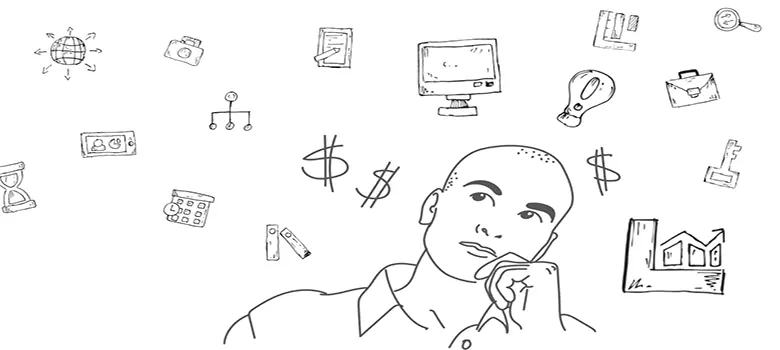
The Engineer's Sales Challenge
30 April 2020 by Marielena González
Most people assume selling is easy — until they actually try it.
Many engineers fall in love with their profession through the act of building or solving things. When they enter the workforce, some join established companies where they apply their expertise to improve processes and products. Others follow an entrepreneurial path and strike out on their own.
The problem is that many of those entrepreneurs become so absorbed in creating their product or service that they neglect to sell it. Sales is just as vital as production — without it, the entire operation stalls.
For any entrepreneur, the sales process must be thought through before the production process. You need a clear picture of who your customers are and how to reach them before you build anything.
This is especially true in high-inflation environments, where maintaining steady cash flow is not optional — it is what keeps a business alive.
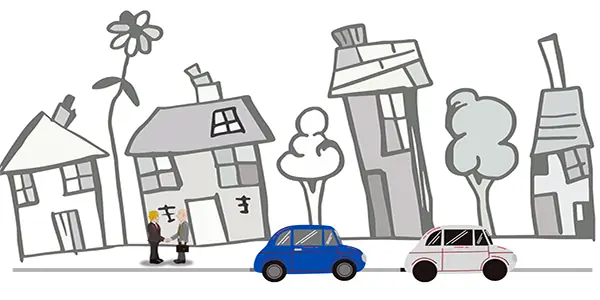 Sales: the unavoidable challenge for the engineer-entrepreneur.
Pounding the Pavement — The Old Playbook
The most common approach for small-business owners and entrepreneurs has always been door-to-door outreach: visiting prospective clients regularly, building trust, and landing that first sale. Word of mouth then takes over as the primary growth engine.
That model works. Many entrepreneurs have scaled it successfully through disciplined sales-force management and planning. For most professionals, a career in sales is more financially rewarding than sitting behind a desk waiting for a fixed paycheck.
But that model is under pressure. Economic disruption and talent migration have left many small companies without sales staff. And the relentless evolution of the digital world means entrepreneurs must constantly reinvent how they reach customers.
The Rise of Digital Advertising
Digital advertising didn't appear overnight. Here's a condensed timeline of how it evolved into what we rely on today:
- 1978: The first spam email is sent — predating the banner ad by over a decade.
- September 1993: The first clickable online ad is sold by Global Network Navigator to Silicon Valley law firm Heller Ehrman White & McAuliffe.
- October 27, 1994: AT&T buys the first banner ad ever, placed on Wired magazine's website and created by Modern Media.
- 1995: The internet reaches 16 million users.
- July 1996: The first reference to PPC (Pay Per Click) appears, introduced by directory site Planet Oasis — a model that would later help search engines like Google monetize their traffic.
- 1998: GoTo.com (renamed Overture in 2001, acquired by Yahoo! in 2003) launches the first keyword-based advertising auction.
- October 2000: Google launches AdWords with 350 customers.
- 2002: The internet reaches 558 million users.
Then came social media, and it changed everything.
- February 4, 2004: Facebook launches.
- November 2005: Google releases Google Analytics.
- August 22, 2006: Facebook introduces advertising formats on the platform.
- September 2007: AdSense for mobile arrives, allowing mobile-optimized pages to carry the same ads as desktop sites.
- November 2007: Facebook enables geographic targeting for advertisers.
- April–June 2008: Pop-up ads proliferate. The dot-com bubble's aftershocks push banner prices down significantly, spurring new ad formats. ExitExchange.com secures the pop-up advertising patent after an eight-year process.
- March 2009: Google launches a beta of interest-based advertising, leveraging partnerships with platforms including YouTube.
- September 30, 2009: Internet advertising surpasses television advertising for the first time — in the United Kingdom.
- April 13, 2010: Twitter launches Promoted Tweets and Trending Topics.
- 2012: The internet reaches 12 billion users.
- January 2012: Facebook introduces News Feed advertising.
- July 22, 2013: Google launches AdWords Enhanced Campaigns to reach mobile devices more effectively.
- August 2, 2013: Facebook announces plans for video ad formats.
Where We Are Now
That trajectory led us to the landscape we navigate today: Instagram, LinkedIn, Pinterest, Facebook Business, WhatsApp Business, Telegram, TikTok, and a growing list of platforms that began as social tools and became commercial ones.
Digital engagement mirrors what a traditional sales visit was designed to do — build brand recognition and trust. The difference is scale and speed. What word of mouth did for a neighborhood, a well-placed social campaign does for a market.
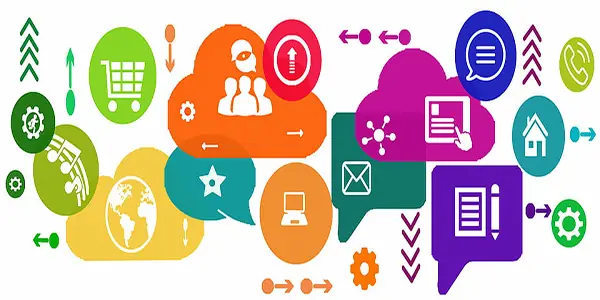 Social media has become the entrepreneur's new storefront.
The case for digital advertising is straightforward: broader reach, precise audience segmentation, low cost of entry, measurable results, flexible formats, and direct communication with the end consumer. Given all of that, is there still a serious argument for sticking exclusively to traditional methods?
The disruptions of the past few years — economic, logistical, and pandemic-driven — have forced every kind of business to rethink its operations. Sales, in particular, has had to adapt fast.
The Shift Small Businesses Can't Afford to Miss
Small and mid-sized businesses must migrate from traditional channels to digital ones to hold their market position. Your website now matters more than your physical office. Your social media channels are communication infrastructure — as important as, and in many cases more important than, your sales team.
Those channels can be managed manually or through automation. Either way, your digital strategist is the person keeping the lights on.
A Note for Engineers Specifically
It's time to think beyond the technical brief. We are all, in a sense, products that need to be marketed. Many of us will face a future with fewer traditional employment structures, which means freelance and independent consulting will become the norm — and personal brand in the digital space will determine who gets the work.
For engineers who remain in established organizations, now is the time to get involved in sales efforts, particularly in digital channels. The engineering mindset — analytical, systematic, data-driven — is actually well suited to running a digital sales strategy. The skill gap is smaller than most engineers assume.
By Marielena González mgonzalez@innotica.net @soy_lainge linkedin.com/in/marielena-gonzález-nieves-3479b251